- EightLabs
- Posts
- Longevity Lies: The Myths That Are Holding You Back from Living Longer
Longevity Lies: The Myths That Are Holding You Back from Living Longer

Eight Labs
April 08, 2025
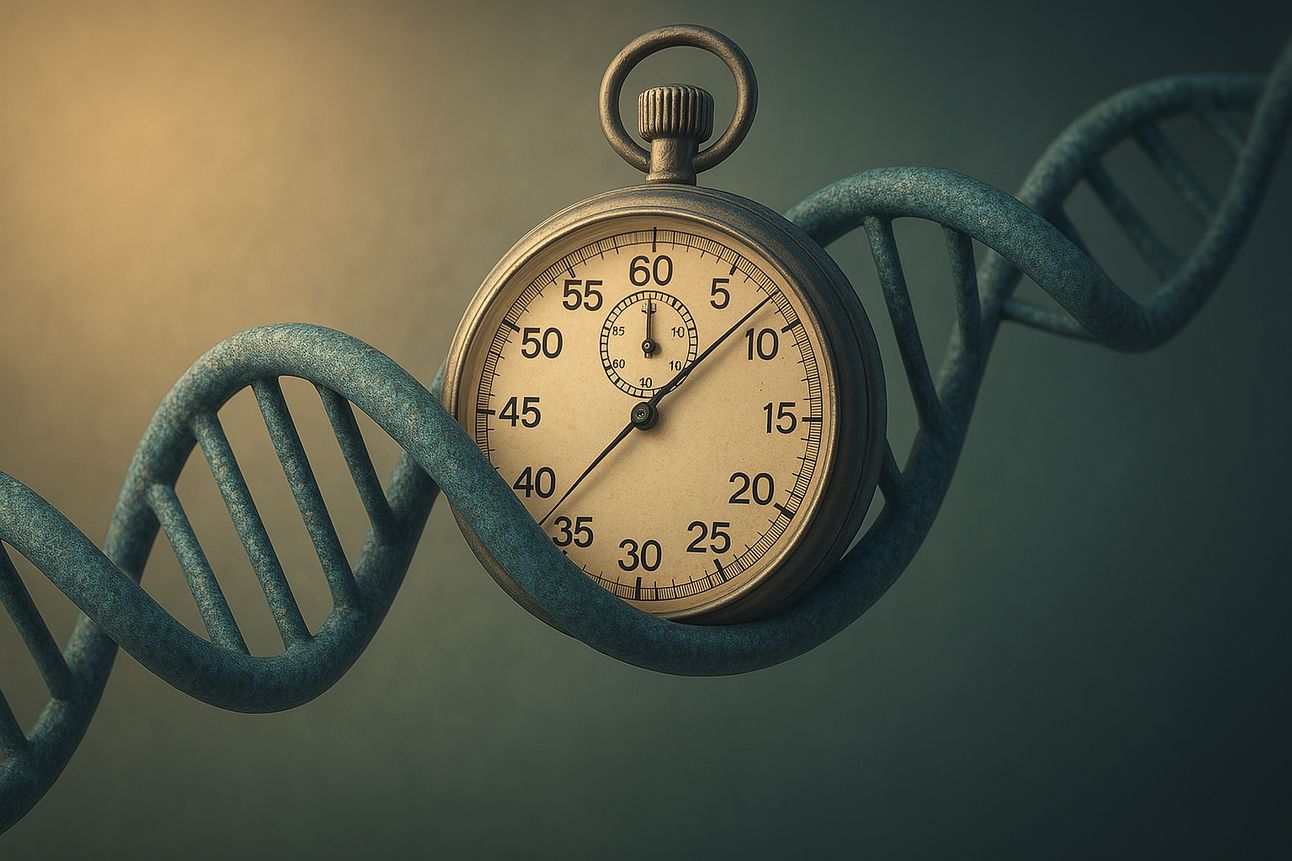
Myth #1: “Exercise Alone Guarantees a Long Life”
The Truth:
Exercise is a cornerstone of health—but it's not the golden ticket to longevity. While physical activity reduces your risk of chronic disease, studies show that factors like sleep quality, stress levels, and social connections may have equal or greater influence on lifespan.
Science Says:
A 2023 meta-analysis in The Lancet found that sedentary behavior is independently associated with mortality, even among those who exercise regularly.
Chronic stress and poor sleep are linked to telomere shortening—cellular aging markers (Harvard Health).
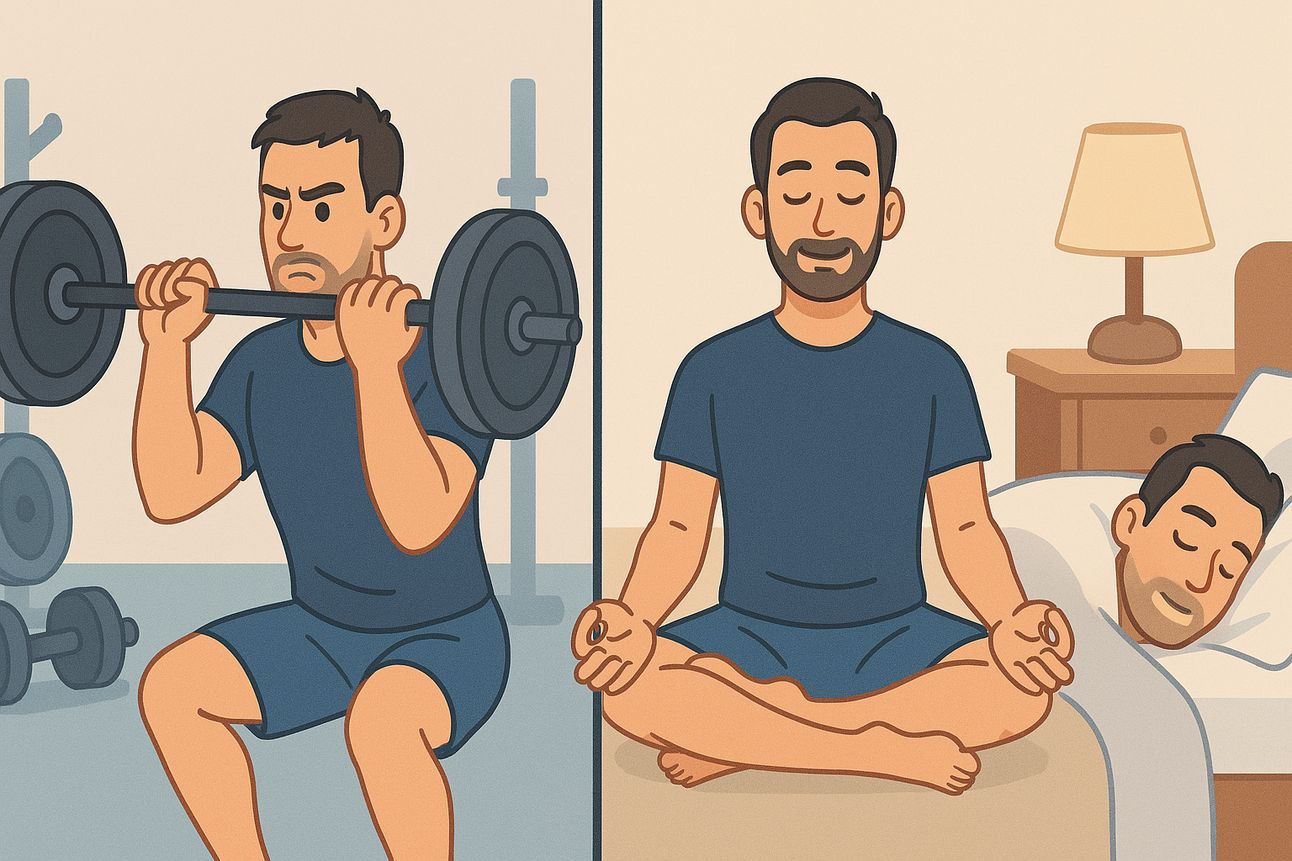
Takeaway: Combine moderate, consistent exercise with deep sleep, meaningful relationships, and mindfulness for optimal lifespan extension.
Myth #2: “A Low-Calorie Diet is the Best Way to Live Longer”
The Truth:
Caloric restriction has shown promise in animal models, but the human body is more complex. Malnutrition or excessively restrictive diets can backfire—leading to muscle loss, lowered immunity, and cognitive decline.
Science Says:
The CALERIE study (Comprehensive Assessment of Long-term Effects of Reducing Intake of Energy) showed mild calorie restriction improved markers of aging—but only when nutrient intake remained optimal (NIH Study).
Protein and micronutrient sufficiency are key to maintaining healthy function with age.
Takeaway: Don’t chase extreme diets. Prioritize nutrient density over calorie scarcity.

Myth #3: “Supplements Are a Waste of Money”
The Truth:
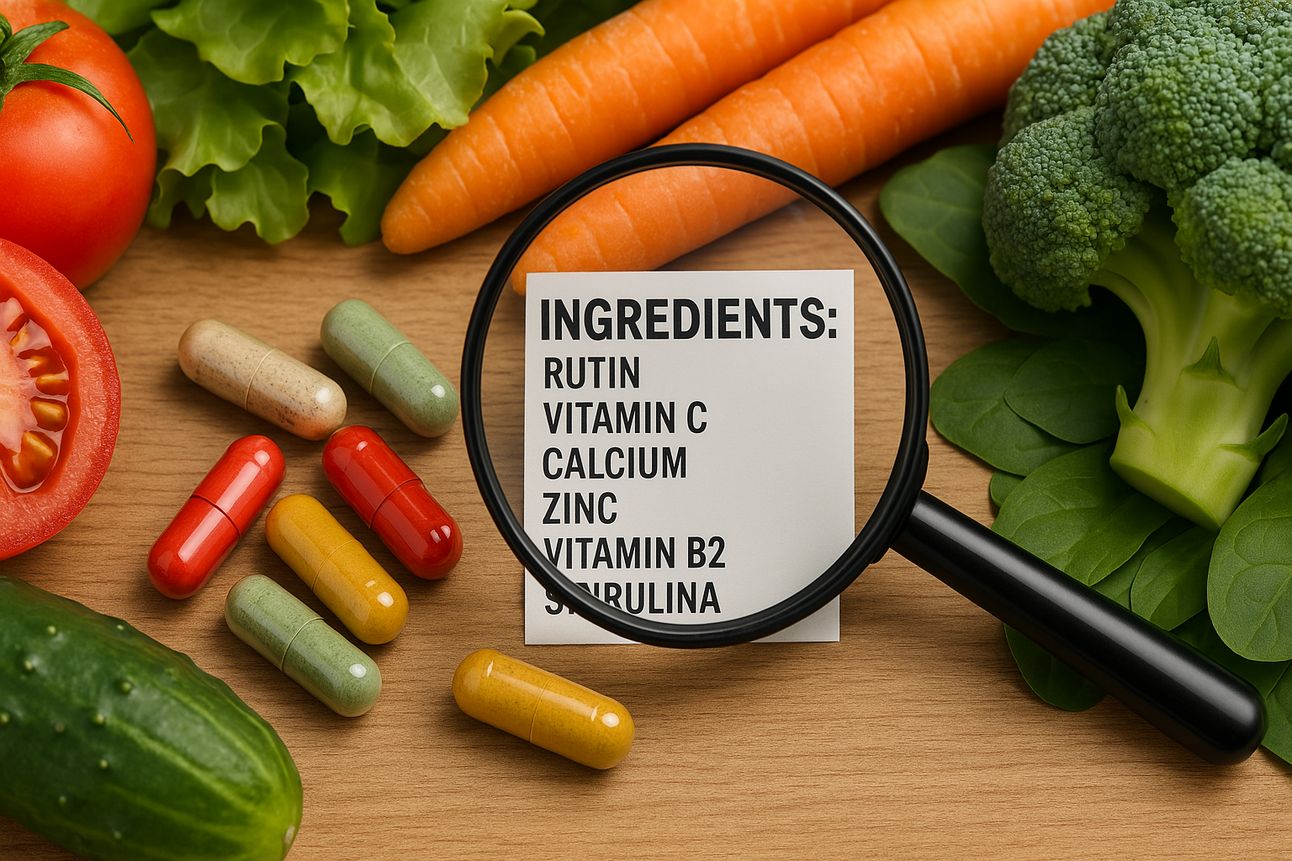
While no pill replaces lifestyle, strategic supplementation can fill nutrient gaps—especially with age-related absorption issues. Think of supplements as a tool, not a scam.
Science Says:
Vitamin D, Omega-3s, Magnesium, and B vitamins have robust research linking them to improved longevity and reduced disease risk (American Journal of Clinical Nutrition).
The anti-aging field is exploring senolytics, NAD+ precursors, and mitochondrial support compounds like CoQ10 with promising early results.
Takeaway: Supplement smartly—based on your lifestyle, diet, and bloodwork. Avoid the one-size-fits-all myth.
Myth #4: “You Can Sleep Less and Make Up for It Later”
The Truth:
Chronic sleep deprivation isn’t something you can “repay” later—it compounds cellular damage, inflammation, and insulin resistance over time.
Science Says:
Adults who sleep less than 6 hours per night have a higher risk of early death, especially from cardiovascular disease (Sleep Journal, 2021).
Deep sleep is when your brain clears toxic proteins like beta-amyloid—linked to Alzheimer’s.
Takeaway: Protect your sleep like your lifespan depends on it—because it does.
Myth #5: “It’s All in the Genes”
The Truth:
Only about 20-25% of your lifespan is determined by genetics. The rest? It’s lifestyle, environment, and epigenetics.
Science Says:
Epigenetics refers to how your habits influence gene expression—turning certain genes on/off.
Blue Zone studies reveal shared behaviors—community, plant-based diets, and low stress—among the world’s longest-lived populations (National Geographic).
Takeaway: You’re not bound by your DNA. Your choices shape your biological future.

Final Thought
You’ve probably been sold a few longevity lies. The truth is simpler and more empowering than you think: consistent lifestyle habits—not hacks—build a longer, better life.
Your Weekly Action Steps:
✅ Get 7–9 hours of sleep nightly
✅ Eat whole, colorful, nutrient-dense foods
✅ Move daily, even if it’s just walking
✅ Supplement based on your personal needs
✅ Disconnect from tech, reconnect with people
References:
American Journal of Clinical Nutrition
Sleep Journal, Oxford Academic
Want more longevity science decoded into bite-sized action?
👉 Subscribe to Eightlabs | Follow us on TikTok + YouTube for weekly science-backed health drops.